


What Size Light Bar Do I Need for My 4×4? (Australia Guide)
Choosing the right light bar size is one of the most common questions Australian 4×4 owners ask when researching what size light bar for 4×4 Australia, and it’s also one of the easiest areas to get wrong.
Bigger isn’t always better when selecting a 4×4 LED light bar Australia option. A light bar that’s too large can cause fitment issues, legal concerns, glare problems, or simply deliver lighting that doesn’t match how you actually drive. On the other hand, a bar that’s too small may not provide enough coverage for regional highways or off-road touring.
This guide explains how to choose the right light bar size for your 4×4 using a practical light bar size guide Australia approach based on real driving conditions.
👉 This article supports our main guide:
The Complete Guide to 4×4 LED Driving Lights & Light Bars in Australia (2025 Edition)
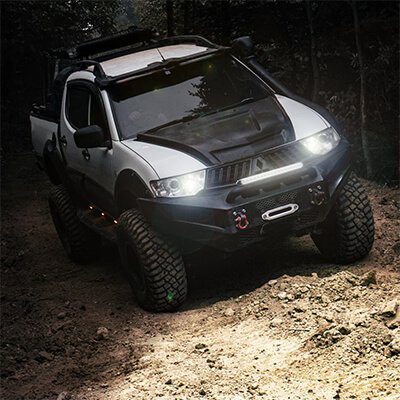
Why Light Bar Size Matters in Australia
Australia’s driving environments are diverse and demanding for anyone upgrading 4WD accessories Australia:
- Long, dark regional highways
- Remote outback touring
- Bush tracks and fire trails
- Coastal driving with salt exposure
- Urban driving mixed with weekend off-road use
The size of your light bar directly affects:
- Beam width and distance
- Mounting position and legality
- Vehicle airflow and cooling
- Wind noise
- Overall driving safety
Choosing the correct size ensures your lighting setup within your broader 4WD gear Australia build is effective and compliant.
Common Light Bar Sizes Used in Australia
Light bars are typically available in the following sizes within the 4×4 LED light bar Australia category:
- 8–12 inch
- 20 inch
- 30 inch
- 40 inch
- 50–52 inch
Each size suits different vehicles and driving styles.
8–12 Inch Light Bars — Compact & Versatile
Best suited for:
- Modern utes and SUVs
- Vehicles with limited bullbar space
- Discreet or factory-style installs
- Urban + light off-road driving
These compact options are common in modern off road accessories Australia builds.
Performance characteristics:
- Good short-to-medium range
- Wide flood or combo beam options
- Minimal visual impact
- Easy fitment behind grilles or in bumper openings
When to choose this size
If your 4×4 is driven daily and only sees occasional regional use, this size suits most 4×4 touring accessories setups.
Limitations
- Limited long-distance throw
- Not ideal as the sole light source for high-speed touring
20 Inch Light Bars — The Most Popular Choice
Best suited for:
- Dual-cab utes
- Wagons (Prado, Patrol, LandCruiser)
- Touring vehicles
- Mixed highway and off-road use
The 20 inch light bar for 4WD is widely regarded as the best light bar size for 4WD drivers wanting balance.
Performance characteristics:
- Balanced distance and width
- Strong combo beam options
- Suitable for most Australian conditions
- Easy bullbar or roof-rack mounting
Why 20 inch bars are popular
They offer a strong balance within the 4×4 driving lights Australia market between:
- Output
- Fitment
- Versatility
- Compliance
For many Australian drivers, this is the sweet spot.
30 Inch Light Bars — Increased Coverage for Touring
Best suited for:
- Touring-focused 4×4 builds
- Regional and remote travel
- Vehicles with wider bullbars
The 30 inch light bar touring setup is popular among long-distance travellers.
Performance characteristics:
- Greater beam spread
- Improved forward visibility
- More LED output than 20 inch bars
Considerations
- Requires sufficient mounting space
- Can increase wind noise if roof-mounted
- May not suit compact front ends
A 30-inch bar works well for drivers who regularly travel long distances at night.
40 Inch Light Bars — Serious Off-Road & Work Use
Best suited for:
- Large wagons
- Work and fleet vehicles
- Remote area touring
- Vehicles with strong mounting systems
The 40 inch light bar Australia category is often chosen in heavy-duty off road LED lights Australia builds.
Performance characteristics:
- Wide flood coverage
- Strong forward illumination
- Ideal for slower technical terrain and wide areas
Limitations
- Visual bulk
- Potential airflow obstruction
- Less suitable for daily urban driving
This size is often chosen for function over form.
50–52 Inch Light Bars — Maximum Coverage
Best suited for:
- Extreme off-road builds
- Mining, construction, and emergency vehicles
- Dedicated touring rigs
These sizes are common in heavy-duty 4WD gear Australia and industrial off road accessories Australia applications.
Performance characteristics:
- Maximum width and area coverage
- Strong scene lighting
- Excellent for work zones and low-speed environments
Important considerations
- Fitment challenges
- Compliance requirements
- Increased wind noise
- Not suitable for all vehicles
These bars are typically used where maximum visibility is more important than aesthetics or aerodynamics.
Choosing Light Bar Size Based on Vehicle Type
Dual-Cab Utes (Hilux, Ranger, D-Max)
- Ideal sizes: 20” or 30”
- Slimline bars suit modern front ends
- Larger bars possible with appropriate bullbars
Large Wagons (Prado, Patrol, LandCruiser)
- Ideal sizes: 20”, 30”, or 40”
- Plenty of mounting flexibility
- Can support higher output setups
SUVs
- Ideal sizes: 8–20”
- Slimline or behind-grille installs preferred
- Avoid overly large bars that affect sensors or airflow
This selection process aligns with practical light bar fitment Australia considerations.
Light Bar Size vs Beam Pattern
Size alone doesn’t determine performance — beam pattern matters just as much when choosing the best light bar size for 4WD.
- Smaller bars often work best with combo or flood beams
- Larger bars can support stronger spot-dominant combos
- Very wide bars excel at peripheral illumination
👉 Related reading:
Spot Beam vs Flood Beam vs Combo Beam: 4×4 Driving Lights Explained (Australia)
Combining Light Bars with Driving Lights
Many Australian 4×4 owners building premium 4×4 driving lights Australia setups use:
- Round driving lights for distance
- Light bars for width
In this setup:
- Light bar size can be smaller
- Driving lights handle long-range visibility
- Overall lighting becomes more balanced
This reduces the need for oversized bars in most 4WD accessories Australia builds.
Browse the full 4×4 lighting range
Legal & Installation Considerations in Australia
Before choosing a light bar size in the 4×4 LED light bar Australia category, consider:
- Must not obstruct number plates
- Must be wired to operate with high beam
- Beam alignment must avoid glare
- Installation should follow ADR guidelines
Larger bars require more careful placement to remain compliant.
👉 Related guide:
4×4 Driving Light Installation Rules & Safety Guidelines (Australia)
Common Mistakes When Choosing Light Bar Size
- Choosing the largest bar available “just in case”
- Ignoring vehicle fitment limits
- Overlooking wind noise on roof mounts
- Assuming higher wattage equals better performance
- Not matching size to driving speed and terrain
Correct sizing improves usability within modern 4×4 touring accessories builds.
Final Recommendation
There is no universal “best” light bar size for every 4×4.
- Choose smaller bars for daily driving and compact vehicles
- Choose mid-size bars for touring and mixed use
- Choose large bars only when your vehicle and driving conditions demand it
The right choice depends on how, where, and how often you drive.