


What Are Emergency Vehicle Digital Alerts and How Do They Improve Road Safety?
Introduction
Every second matters when an emergency vehicle responds to an incident or a roadside crew works beside live traffic. While traditional warning lights and sirens remain essential, they rely on drivers seeing or hearing them in time. Heavy traffic, poor visibility, loud environments and driver distraction can reduce the effectiveness of these physical warning systems.
This is where emergency vehicle digital alerts are changing the way road users receive safety information. Instead of relying only on visual or audible warnings, connected vehicle safety technology delivers real-time digital alerts through supported navigation apps and compatible in-vehicle systems, giving approaching motorists earlier awareness of active emergency vehicles, roadside hazards and work zones.
Across Australia and New Zealand, emergency services, road authorities, councils and commercial fleet operators are exploring digital alerting systems to strengthen roadside safety, improve driver awareness and better protect responders working near live traffic.
In this guide, we’ll explain what emergency vehicle digital alerts are, how they work, why they matter, and how solutions such as HAAS Alert Safety Cloud® are helping build a smarter and safer connected road network.
Why Earlier Driver Awareness Matters More Than Ever
Roadside incidents remain one of the most challenging environments for emergency responders and maintenance crews. Whether it’s a police vehicle attending an accident, an ambulance assisting a patient, a tow truck recovering a broken-down vehicle or a roadworks crew managing lane closures, workers are often positioned only metres from moving traffic.
Although flashing warning lights, arrow boards and traffic control equipment help improve visibility, motorists may still react too late because of:
- Heavy traffic congestion
- Driver distraction
- Poor weather conditions
- Night-time operations
- High-speed roads and motorways
- Curves, hills or limited sight distance
When drivers receive information only after they can physically see a vehicle, the available reaction time is significantly reduced. Earlier awareness helps motorists make safer decisions, including slowing down, changing lanes where appropriate and approaching roadside operations with greater caution.
What Are Emergency Vehicle Digital Alerts?
Emergency vehicle digital alerts are location-based safety notifications delivered to approaching motorists through supported navigation platforms and compatible vehicle infotainment systems.
When a participating emergency vehicle or authorised roadside fleet activates compatible warning equipment, a connected digital alerting system securely communicates the vehicle’s location and operational status to a cloud-based platform. Drivers using supported navigation services may then receive an in-vehicle alert before reaching the active scene, giving them additional time to recognise the hazard and respond safely.
Unlike traditional warning lights, which depend on direct line of sight, digital alerting systems extend awareness beyond what drivers can immediately see, creating an additional layer of roadside protection.
How Emergency Vehicle Digital Alerts Differ from Traditional Warning Systems
Traditional roadside warning equipment—including emergency warning lights, beacons, directional arrow boards and audible alarms—continues to play an essential role in protecting emergency responders and roadside workers.
Digital alerting does not replace these systems. Instead, it complements them by providing earlier notification to approaching motorists through connected technologies.
| Traditional Warning Systems | Emergency Vehicle Digital Alerts |
| Visible when drivers are nearby | Can notify drivers before they reach the scene |
| Depend on visibility and hearing | Delivered through supported navigation platforms |
| Physical roadside warning | Additional digital safety layer |
| Protect active work areas | Improve driver awareness before arrival |
| Essential roadside equipment | Complements existing warning systems |
Together, physical warning equipment and connected vehicle safety technology help create a more comprehensive approach to roadside protection.
The Growing Role of Connected Vehicle Safety
The transport industry is rapidly adopting connected vehicle safety technologies that enable vehicles, fleets and digital platforms to communicate more effectively.
Rather than relying solely on physical signals, connected systems can securely share important information about active roadside events, helping improve situational awareness for approaching motorists.
This technology is particularly valuable for:
- Emergency response vehicles
- Road authority fleets
- Traffic management operations
- Roadworks vehicles
- Utility and maintenance crews
- Tow trucks and roadside assistance
- Government fleet operations
As connected transport technologies continue to evolve across Australia and New Zealand, digital alerting is becoming an important addition to existing roadside safety strategies.
Why Australia and New Zealand Fleets Are Evaluating Digital Alerting Technology
Road safety expectations continue to evolve as traffic volumes increase and roadside operations become more complex. Public agencies and commercial fleet operators are increasingly looking for technologies that improve awareness without changing existing operational procedures.
Digital alerting offers several practical advantages:
- Earlier notification for approaching motorists
- Improved awareness around roadside incidents
- Better support for emergency responders and maintenance crews
- Integration with compatible fleet technologies
- Additional protection alongside existing warning systems
- Scalable deployment across individual vehicles or large fleets
Rather than replacing proven warning equipment, digital alerting strengthens existing roadside safety practices by helping drivers recognise hazards sooner.
How Emergency Vehicle Digital Alerts Work
Traditional warning lights remain one of the most important safety tools for emergency responders and roadside crews. However, they only become effective once approaching drivers can see the vehicle or work zone. Emergency vehicle digital alerts extend that awareness by delivering real-time notifications before motorists reach the scene.
Using connected vehicle safety technology, compatible warning systems communicate securely with a cloud-based platform that distributes alerts through supported navigation apps and compatible vehicle infotainment systems.
The process is designed to work alongside existing warning equipment, providing an additional digital layer of roadside protection rather than replacing physical safety devices.
Step 1 – Compatible Warning Equipment Is Activated
When a compatible warning-light circuit, arrow board or other approved activation input is switched on, the equipped vehicle or asset communicates an active event to Safety Cloud. Alert behaviour depends on the type of vehicle, its operating state and the configured Safety Cloud service.
This activation may occur during:
- Emergency response incidents
- Roadworks and maintenance activities
- Lane closures
- Vehicle breakdowns
- Roadside assistance operations
- Traffic management activities
Step 2 – Vehicle Data Is Securely Transmitted
The activated vehicle communicates its location and operational status using either:
- HA-7 Transponder, or
- HA-Direct Integration with compatible fleet GPS or telematics systems.
The information is securely transmitted to HAAS Alert Safety Cloud, where it is processed for supported digital alert delivery.
This communication focuses on active warning events rather than replacing existing fleet management systems.
Step 3 – Drivers Receive Earlier Digital Alerts
Once the event is active, approaching motorists using supported navigation platforms or compatible connected vehicle systems may receive a digital safety alert before reaching the incident.
Depending on regional and platform availability, alerts may be delivered through:
- Supported navigation applications such as Waze
- Compatible in-vehicle infotainment systems
- Participating connected vehicle platforms
Drivers do not need to install a dedicated HAAS Alert application. Platform, vehicle and regional availability may vary across Australia and New Zealand.
Step 4 – Drivers Respond More Safely
Receiving an alert before reaching the scene gives drivers additional time to:
- Reduce speed where appropriate
- Move over safely when possible
- Increase awareness around roadside workers
- Prepare for changing traffic conditions
- Approach emergency scenes with greater caution
This additional reaction time helps support safer interactions between motorists and roadside personnel.
Understanding HAAS Alert Safety Cloud
HAAS Alert Safety Cloud is a cloud-based connected vehicle safety platform designed to improve communication between participating roadside fleets and approaching motorists.
Safety Cloud can send digital warnings up to 30 seconds before a motorist reaches a supported roadway hazard, depending on the event, route, platform and network conditions.
Instead of relying solely on visible warning lights or sirens, Safety Cloud enables compatible systems to deliver real-time digital alerts, helping drivers recognise roadside hazards earlier.
The platform is suitable for a wide range of operations across Australia and New Zealand, including:
- Emergency services
- Police, Fire and Ambulance
- Road authorities
- Traffic management companies
- Local councils
- Utility providers
- Tow and roadside assistance
- Government fleets
- Civil construction and roadworks operations
HA-7 Transponder – The Vehicle Connection
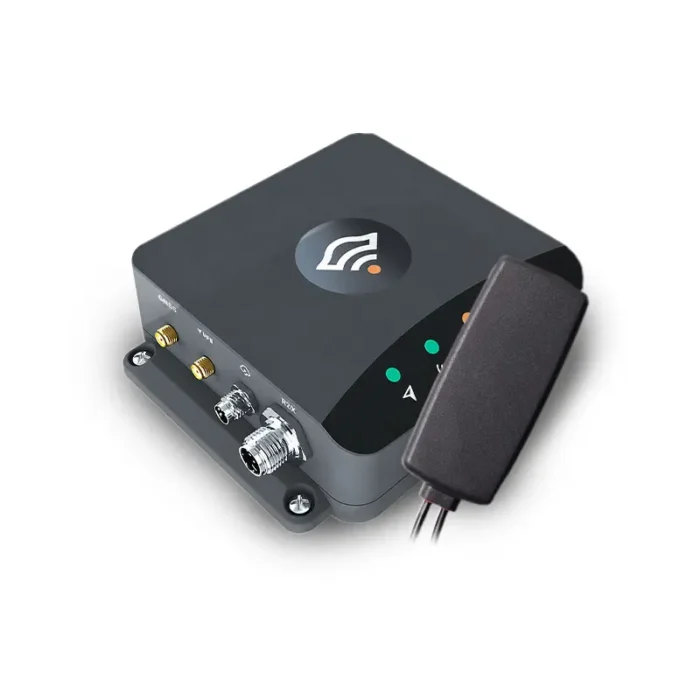
The HA-7 Transponder is vehicle-installed hardware that connects compatible warning equipment to HAAS Alert Safety Cloud.
When warning systems are activated, the HA-7 securely communicates vehicle location and alert status, supporting the delivery of real-time emergency vehicle digital alerts through compatible platforms.
Key capabilities include:
- Cellular and GPS-enabled digital alerting hardware
- Connects with compatible warning-light circuits
- Constant 12-volt power, ground and 12-volt trigger input required
- Recommended inline 5-amp fuse
- Automatic warning-light activation
- Optional external antenna for obstructed installation locations
- Requires an active Safety Cloud service for R2V digital alerting
The HA-7 allows organisations to introduce connected vehicle safety without replacing their existing warning equipment.
HA-Direct Integration for Existing Fleets
Responder-to-Vehicle – R2V sends alerts from equipped emergency vehicles, roadside fleets, work zones or roadway assets to civilian motorists through supported navigation and connected vehicle platforms.
Responder-to-Responder – R2R is an optional add-on for eligible emergency-service fleets. It provides an in-cab visual warning when another enabled, moving Safety Cloud-equipped emergency vehicle is approaching the same intersection, turn or potential collision point. Responder-to-Responder (R2R) requires an existing digital alerting service and uses LED indicators installed inside the cab.
Many organisations already operate advanced fleet GPS and telematics systems.
HA-Direct Integration allows compatible fleet technology to connect with HAAS Alert Safety Cloud, reducing the need for dedicated hardware where supported.
Benefits include:
- Uses existing fleet GPS data
- Supports compatible telematics platforms
- Simplifies fleet deployment
- Scalable across multiple vehicles
- Supports connected fleet operations
This approach gives fleet managers flexibility when implementing digital alerting across existing vehicle fleets.
Why Digital Alerting Is Becoming Essential
Road safety is evolving beyond traditional visual warning systems.
Modern fleets increasingly require technologies that improve awareness before motorists reach an active roadside operation.
Compared with traditional warning methods alone, connected vehicle safety offers several advantages:
Earlier Driver Awareness
Motorists receive advance notification rather than relying solely on visual contact with warning lights.
Improved Roadside Worker Protection
Earlier awareness helps create safer environments for emergency responders, roadworkers, utility crews and roadside assistance operators.
Better Fleet Visibility
Participating vehicles become more visible within supported connected vehicle ecosystems, improving awareness during active operations.
Supports Existing Safety Equipment
Digital alerting works alongside warning lights, beacons, arrow boards and other approved roadside safety equipment.
Scalable Fleet Deployment
Whether managing a small council fleet or a national emergency service, connected alerting technology can be deployed progressively across compatible vehicles.
Real-World Applications Across Australia & New Zealand
Digital alerting technology can support a wide range of roadside operations, including:
Emergency Services
Helping motorists receive earlier awareness of police, fire and ambulance response vehicles.
Roadworks & Traffic Management
Supporting safer approaches around temporary work zones, maintenance crews and lane closures.
Tow Trucks & Roadside Assistance
Providing additional visibility during vehicle recovery, breakdown response and roadside support.
Utilities & Infrastructure
Helping protect electricity, telecommunications, water and maintenance crews working near live traffic.
Local Councils & Government Fleets
Improving roadside safety for council maintenance teams and government-operated fleet vehicles.
Traditional Warning Lights vs Digital Alerting
| Traditional Warning Systems | Connected Digital Alerting |
| Flashing lights and beacons | Real-time digital notifications |
| Visible only within sight | Earlier awareness before arrival |
| Relies on driver visibility | Supports supported navigation platforms |
| Physical roadside warning | Additional connected safety layer |
| Essential roadside equipment | Complements existing warning systems |
The strongest roadside safety strategy combines physical warning equipment with connected digital alerting, helping motorists recognise and respond to hazards sooner.
Why HAAS Alert Safety Cloud Is Transforming Roadside Safety
Roadside safety continues to evolve as emergency services, road authorities and fleet operators look for smarter ways to protect workers and improve driver awareness. While warning lights, sirens and traffic control devices remain essential, connected technologies now provide an additional layer of protection by delivering real-time digital alerts before motorists reach an active roadside operation.
HAAS Alert Safety Cloud combines connected vehicle safety, digital alerting and compatible fleet technology to help organisations strengthen roadside safety without replacing their existing warning systems. This makes it a practical solution for fleets operating across Australia and New Zealand, where road conditions, traffic volumes and emergency response environments continue to change.
Why Australian Organisations Are Choosing Digital Alerting
Government agencies, councils and commercial fleet operators are increasingly investing in technology that supports safer roadside operations while improving driver awareness.
Key reasons include:
Improve Driver Awareness
Notify approaching motorists earlier so they have more time to recognise roadside activity and respond safely.
Enhance Roadside Worker Protection
Support safer working environments for emergency responders, roadworks crews, traffic management teams, tow operators and utility workers.
Integrate with Existing Fleet Technology
Connect compatible warning systems or fleet telematics without changing existing operational workflows.
Scalable Fleet Deployment
Suitable for individual vehicles, regional fleets and large government or commercial fleet rollouts.
Support Future Connected Transport
Adopt technology that aligns with the growing use of connected vehicle systems and intelligent transport infrastructure.
Why Choose Australian Warning Systems?
Choosing the right technology partner is just as important as choosing the right product.
As the authorised HAAS Alert Safety Cloud distributor for Australia and New Zealand, Australian Warning Systems (AWS) provides more than product supply. Our experienced team supports organisations from initial planning through to installation, fleet integration and ongoing technical assistance.
Whether you’re deploying a single HA-7 Transponder or implementing a connected safety solution across an entire fleet, AWS delivers practical expertise tailored to Australian operating conditions.
What We Provide
- Authorised HAAS Alert products
- HA-7 Transponder supply
- Professional installation
- Warning light integration
- Fleet rollout planning
- Technical support
- Australia & New Zealand coverage
The Future of Connected Vehicle Safety
Connected transport technology is becoming an important part of modern road safety strategies across the world.
As navigation platforms, connected vehicles and intelligent transport systems continue to evolve, digital alerting is expected to play a greater role in helping drivers receive important roadside safety information earlier.
For emergency services, councils, utilities and commercial fleets, combining traditional warning equipment with connected vehicle safety technology offers a practical approach to improving awareness while supporting safer roadside operations.
Rather than replacing existing warning systems, digital alerting helps extend their effectiveness by reaching drivers before they arrive at an incident or work zone.
Conclusion
Every roadside operation carries risk, whether it’s an emergency response, traffic management activity, utility maintenance or vehicle recovery.
Traditional warning lights remain essential, but real-time digital alerts provide an additional layer of protection by giving motorists earlier awareness of active roadside operations.
With HAAS Alert Safety Cloud, compatible fleets can strengthen connected vehicle safety, improve roadside worker protection and support safer traffic movements across Australia and New Zealand.
If your organisation is exploring emergency vehicle digital alerting, HA-7 Transponder installation or Connected vehicle safety solutions, Australian Warning Systems can help you identify the right solution for your operational requirements.
Frequently Asked Questions
1. What are emergency vehicle digital alerts?
Emergency vehicle digital alerts are real-time notifications sent to approaching motorists through supported navigation platforms and compatible vehicle infotainment systems. They provide earlier awareness of emergency vehicles, roadworks and roadside hazards before drivers reach the scene.
2. How does HAAS Alert Safety Cloud work?
When compatible warning lights or approved vehicle systems are activated, the HA-7 Transponder or HA-Direct Integration securely sends vehicle location and alert status to HAAS Alert Safety Cloud, which distributes digital alerts through supported connected platforms.
3. Do drivers need to install a HAAS Alert app?
No. Drivers do not need a dedicated HAAS Alert app. Alerts may appear through supported navigation services such as Apple Maps (on iPhone) when integrated, Waze where supported, and compatible vehicle infotainment systems, depending on platform availability.
4. Does digital alerting replace warning lights?
No. Digital alerting is designed to complement existing warning lights, beacons, directional arrow boards and other approved roadside safety equipment by providing an additional digital layer of protection.
5. What vehicles can use HAAS Alert Safety Cloud?
Safety Cloud is suitable for emergency vehicles, roadworks fleets, traffic management vehicles, tow trucks, roadside assistance, utility providers, local councils, road authorities and government fleet operations.
6. Can Safety Cloud integrate with fleet GPS systems?
Yes. Through HA-Direct Integration, compatible fleet GPS and telematics platforms can connect with HAAS Alert Safety Cloud, depending on system compatibility.
7. What is the HA-7 Transponder?
The HA-7 Transponder is vehicle-installed hardware that connects compatible warning systems to HAAS Alert Safety Cloud, enabling real-time digital alerting when warning equipment is activated.
8. Is HAAS Alert Safety Cloud available in Australia and New Zealand?
Yes. Australian Warning Systems is the authorised distributor and installation partner for HAAS Alert Safety Cloud across Australia and New Zealand.
Final Thoughts
As connected vehicle technology continues to advance, emergency vehicle digital alerts are becoming an important part of safer roadside operations. By combining proven warning equipment with intelligent digital alerting, organisations can improve driver awareness, better protect roadside workers and support safer transport networks across Australia and New Zealand.