


How Digital Alerting Improves Safety Around Roadworks Vehicles in Australia
Introduction
Temporary roadworks, lane closures and mobile maintenance operations regularly place workers, traffic controllers and fleet vehicles close to live traffic. While these activities are essential for maintaining safe and efficient road networks, they also create some of the highest-risk environments for roadside workers, traffic controllers and passing motorists.
Temporary work zones are constantly changing. Vehicles enter and leave the site, traffic conditions shift throughout the day and road crews often work only a few metres from moving traffic. Even with warning lights, cones, temporary signs and arrow boards in place, drivers may not always recognise a work zone early enough to react safely.
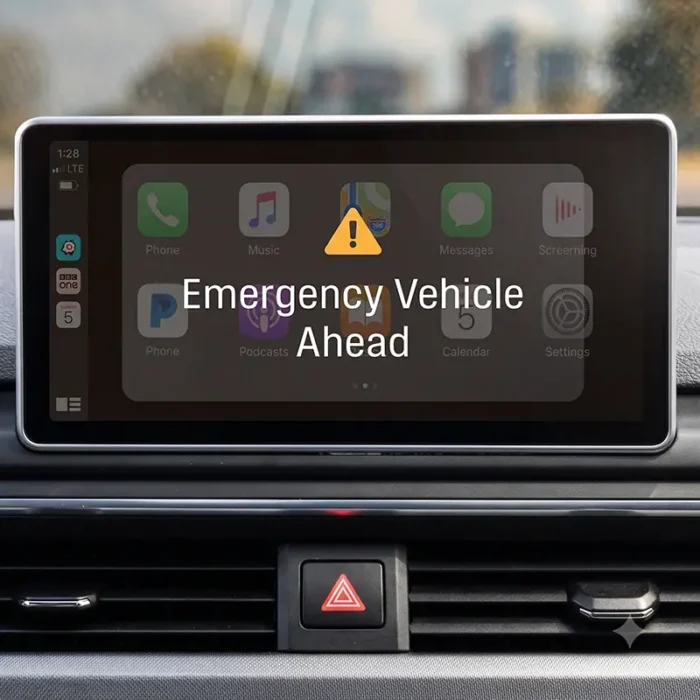
This is why many road authorities, councils and traffic management companies are exploring digital alerting technology as an additional layer of roadside protection. By providing earlier awareness through supported connected systems, digital alerts help motorists recognise active work zones before reaching the roadside operation.
In this guide, we’ll explore the challenges facing roadworks vehicle safety, examine where traditional traffic management has limitations and explain how digital work zone alerts can support safer roadside operations across Australia and New Zealand.
New to digital alerting? Read our guide on What Are Emergency Vehicle Digital Alerts and How Do They Improve Road Safety? to understand the fundamentals before exploring roadworks applications.
Why Roadworks and Mobile Work Zones Require Multiple Safety Controls
Roadworks are unlike permanent road infrastructure. Every project is different, and conditions can change within minutes depending on traffic flow, weather, road layouts and the type of work being completed.
Whether crews are repairing road surfaces, installing utilities, managing lane closures or carrying out emergency maintenance, workers are regularly exposed to live traffic operating at varying speeds.
Common roadworks activities include:
- Lane closures
- Asphalt resurfacing
- Line marking
- Utility maintenance
- Bridge inspections
- Roadside mowing
- Tree maintenance
- Drainage works
- Sign installation
- Emergency road repairs
Each activity presents unique safety challenges for both workers and motorists.
The Hidden Risks Around Temporary Traffic Management
Temporary Traffic Management Plans (TMPs) are designed to protect both workers and road users. They typically include traffic controllers, warning signs, cones, portable traffic signals, variable message signs (VMS) and directional arrow boards.
While these systems are essential, they cannot eliminate every risk.
Some of the most common challenges include:
Late Driver Recognition
Motorists may only notice a work zone when they are already close to traffic controllers or maintenance vehicles, reducing the time available to react safely.
High-Speed Traffic
On highways and regional roads, vehicles often approach work zones at higher speeds, making early awareness even more important.
Changing Work Locations
Mobile operations such as line marking, vegetation management and road inspections frequently move throughout the day, making them harder for drivers to anticipate.
Reduced Visibility
Night works, heavy rain, fog, bright sunlight and complex road layouts can make temporary traffic management equipment more difficult to identify from a distance.
Driver Distraction
Modern drivers face increasing distractions, including mobile devices, in-vehicle technology and heavy traffic conditions, which may delay recognition of roadside hazards.
These factors highlight why improving driver awareness before motorists reach a work zone has become an important consideration for modern traffic management.
Why Traditional Traffic Control Doesn’t Always Give Drivers Enough Time
Australia has well-established standards for temporary traffic management, and physical safety equipment continues to play a critical role in protecting roadside workers.
Traffic cones, portable signs, arrow boards, warning lights and traffic controllers remain the foundation of every work zone.
However, these systems generally rely on one important factor:
Drivers must first see the work zone before they can respond.
In many situations, motorists may have limited time to:
- Recognise changing traffic conditions
- Reduce speed safely
- Merge into another lane
- Move over where appropriate
- Prepare for workers operating close to live traffic
This is especially challenging on:
- Multi-lane highways
- Regional roads
- Curved roads
- Bridge approaches
- Night-time maintenance projects
- Mobile work operations
As traffic volumes continue to increase across Australia and New Zealand, many organisations are looking for technologies that provide drivers with earlier awareness while working alongside existing traffic management practices.
Building Safer Work Zones Through Earlier Awareness
Improving roadworks vehicle safety isn’t about replacing proven traffic management methods—it’s about strengthening them.
Modern work zones increasingly combine traditional roadside equipment with technologies that help motorists receive earlier information about changing road conditions.
This layered approach supports:
- Better driver awareness
- Safer lane transitions
- Improved roadside worker protection
- Reduced confusion around temporary traffic conditions
- More effective traffic management operations
Rather than relying on a single warning method, combining physical traffic control with digital communication helps create a safer environment for everyone using the road.
Where Digital Alerting Fits into Modern Traffic Management
Temporary Traffic Management (TTM) is designed to reduce risk by managing the interaction between road users and active work zones. Every work site is carefully planned using traffic control measures such as advance warning signs, cones, barriers, portable traffic signals, directional arrow boards and traffic controllers.
These measures remain essential and continue to form the foundation of work zone safety in Australia.
Digital alerting does not replace these established practices. Instead, it complements them by helping approaching motorists receive earlier awareness of an active work zone before they reach the traffic management setup.
This additional awareness can support smoother traffic movement and help drivers prepare for changing road conditions.
If you’d like to understand how digital alerts work, read our guide: What Are Emergency Vehicle Digital Alerts and How Do They Improve Road Safety?
Five Real-World Roadworks Scenarios Where Digital Alerting Can Make a Difference
Every roadworks project is different. Some are planned months in advance, while others require an immediate response following storms, accidents or infrastructure failures.
Here are some common situations where earlier driver awareness can support safer roadside operations.
Scenario 1 – Lane Closures on High-Speed Roads
Lane closures are among the most common traffic management activities across Australia. Whether for resurfacing, bridge maintenance or utility upgrades, motorists often need to merge into another lane within a limited distance.
Although advance signage and arrow boards provide important guidance, traffic conditions can change quickly during peak periods.
Earlier digital notifications can help motorists prepare for upcoming lane changes before reaching the closure, reducing sudden braking and last-minute lane changes.
Scenario 2 – Mobile Road Maintenance Operations
Some maintenance activities are constantly moving.
Examples include:
- Line marking
- Road sweeping
- Vegetation management
- Pothole repairs
- Road inspections
Unlike fixed work zones, these operations may relocate several times throughout the day.
Providing earlier awareness can help drivers recognise that maintenance vehicles are operating ahead, even when the exact work location changes.
Scenario 3 – Emergency Road Repairs
Unexpected road damage caused by storms, flooding or vehicle collisions often requires urgent maintenance.
These situations may develop with very little notice, requiring rapid deployment of traffic management equipment and maintenance crews.
Digital alerting can provide another communication channel that complements temporary warning equipment during emergency response activities.
Scenario 4 – Utility Maintenance Beside Live Traffic
Electricity providers, telecommunications companies, water authorities and gas utilities frequently carry out maintenance close to active roads.
Many of these projects occur on narrow suburban streets or busy arterial roads where work crews have limited separation from passing traffic.
Earlier driver awareness can help motorists recognise roadside activity sooner while continuing to follow existing traffic management instructions.
Scenario 5 – Night-Time Roadworks
Many infrastructure upgrades are completed overnight to minimise disruption during peak traffic periods.
Although reduced traffic volumes can improve work efficiency, lower visibility creates additional safety challenges for both workers and motorists.
Digital notifications can complement existing warning lights, portable signs and traffic control measures by improving awareness before drivers enter the work zone.
Moving and Stationary Work-Zone Alerts
Safety Cloud may support both moving and stationary event types. A compatible stationary vehicle or roadside asset can begin alerting after remaining stopped and active for at least 30 seconds. Eligible moving public-safety vehicles can generate dynamic alerts while responding. The available alert type depends on the vehicle, asset, service and integration configuration.
Benefits for Traffic Management Companies
Traffic management providers are responsible for creating safe environments that protect workers while maintaining the efficient movement of vehicles through temporary work zones.
Adding digital alerting to an existing traffic management strategy can help support this objective without changing established procedures.
Potential benefits include:
Earlier Driver Awareness
Help motorists recognise changing traffic conditions before reaching the work zone.
Supports Existing Traffic Management Plans
Works alongside approved traffic control devices, warning lights, VMS boards and directional arrow boards.
Better Protection for Mobile Crews
Additional awareness may be valuable during moving operations where work locations change throughout the day.
Improved Operational Flexibility
Suitable for planned maintenance, emergency repairs and temporary roadside operations across a range of project types.
Supports Safer Work Zones
Contributes to a layered approach to roadworks vehicle safety, combining physical traffic control with digital communication.
Benefits for Local Councils
Local councils manage a wide variety of roadside activities every year, many of which occur in areas with regular traffic and pedestrian movement.
Common council operations include:
- Road maintenance
- Tree trimming
- Drainage works
- Sign replacement
- Verge maintenance
- Footpath construction
- Street lighting repairs
- Local road upgrades
For these activities, earlier driver awareness can complement existing work zone safety measures while helping improve roadside visibility around temporary maintenance sites.
Benefits for Road Authorities
Road authorities are responsible for maintaining some of Australia’s busiest transport corridors.
Projects often involve:
- Highway resurfacing
- Bridge maintenance
- Pavement rehabilitation
- Guardrail installation
- Road widening
- Traffic signal upgrades
- Road safety improvements
These activities frequently occur on high-speed roads where drivers have less time to react after visually identifying roadside operations.
Digital alerting provides another communication layer that supports existing traffic management safety strategies across major road networks.
Supporting Roadside Worker Safety
Every work zone shares the same objective—to allow essential maintenance to be completed safely while minimising risks to workers and road users.
Improving roadside worker safety requires multiple layers of protection, including:
- Temporary traffic management plans
- Traffic controllers
- Warning signs
- Directional arrow boards
- Variable Message Signs (VMS)
- Vehicle warning lights
- Driver education
- Earlier awareness through digital communication
Digital alerting does not replace an approved Traffic Management Plan, Temporary Traffic Management controls, traffic controllers, signs, cones, barriers, arrow boards, VMS equipment or any applicable state and territory road authority requirement.
No single solution removes every risk. However, combining established traffic management practices with modern technology helps create a stronger and more comprehensive roadside safety strategy.
How HAAS Alert Safety Cloud Supports Roadworks Fleets
Roadworks vehicles already rely on proven safety equipment such as warning lights, directional arrow boards, Variable Message Signs (VMS) and approved traffic management devices to protect roadside workers and guide motorists safely through work zones.
HAAS Alert Safety Cloud adds another layer of awareness by delivering real-time digital alerts through supported navigation platforms and compatible connected vehicle systems. Rather than replacing existing traffic management equipment, it complements current safety practices by helping approaching motorists become aware of active roadworks before reaching the work zone.
For organisations responsible for road maintenance, infrastructure upgrades and temporary traffic management, this additional communication layer supports a more proactive approach to roadworks vehicle safety.
HAAS Alert identifies construction vehicles, roadway fleets, work zones and connected arrow boards as supported Safety Cloud applications. Waze can display emergency-vehicle, construction-worker and lane-closure alert categories where the relevant service and event are available.
Implementation Considerations for Roadworks Fleets
Every roadworks operation is different. Before introducing digital alerting, organisations should evaluate how the technology can integrate with their existing fleet and traffic management procedures.
Important considerations include:
Fleet Size & Vehicle Types
Determine which vehicles would benefit most, such as:
- Traffic management vehicles
- Attenuator trucks
- Utility vehicles
- Line-marking vehicles
- Incident response vehicles
- Maintenance utes
- Supervisor vehicles
Safety Cloud Dashboard Tools for Roadworks Operations
Depending on the selected account and service configuration, Safety Cloud dashboard tools may support equipped-vehicle location and alert-status visibility, historical event information, vehicle grouping, exclusion zones and manually created lane-closure hazards. These functions can help authorised fleet and operations personnel review digital alerting activity and coordinate connected roadside assets.
Existing Warning Equipment
Review the compatibility of current warning lights, arrow boards and vehicle electrical systems to ensure they can integrate with supported digital alerting solutions.
Fleet Technology
Organisations already using compatible GPS or telematics platforms may also consider integration options that support connected fleet operations.
Operational Requirements
Different projects require different approaches. Mobile maintenance, short-duration works and major infrastructure projects may each have unique communication and safety requirements.
Staff Training
Introducing any new technology should include operator training and clear procedures to ensure it complements existing Temporary Traffic Management (TTM) practices.
Why Australian Traffic Management Companies Are Exploring Digital Alerting
Traffic management is becoming increasingly data-driven.
As fleets adopt GPS tracking, connected fleet management and digital worksite technologies, many organisations are looking at ways to improve communication with approaching motorists without changing established traffic control procedures.
Digital alerting supports this evolution by helping:
- Improve awareness around temporary work zones
- Supports a layered roadside worker safety strategy
- Provides an additional driver-awareness channel around supported lane-closure operations
- Enhance mobile maintenance activities
- Complement existing traffic management equipment
For contractors delivering projects across highways, local roads and civil infrastructure, this additional visibility can support safer operations while maintaining compliance with existing traffic management plans.
Why Choose Australian Warning Systems?
Australian Warning Systems has supported emergency services, government agencies, councils and commercial fleet operators with professional vehicle warning solutions for more than three decades.
As the authorised HAAS Alert Safety Cloud distributor for Australia and New Zealand, AWS provides complete support for organisations exploring digital alerting technology for roadworks and traffic management fleets.
Our services include:
- HA-7 Transponder supply
- Professional installation
- Warning light integration
- Fleet rollout planning
- Technical support
- Australia & New Zealand product support
Whether you’re upgrading a single maintenance vehicle or implementing connected safety technology across a large fleet, our experienced team can help identify the most suitable solution for your operational needs.
Conclusion
Temporary work zones will always require careful planning, professional traffic management and proven roadside safety equipment.
As road networks become busier and projects become more complex, many organisations are also looking at technologies that improve driver awareness before motorists reach an active work site.
Digital alerting provides an additional layer of communication that complements existing traffic management practices while supporting safer roadside operations.
By combining traditional work zone protection with intelligent communication technologies, traffic management companies, councils and road authorities can continue improving roadworks vehicle safety across Australia and New Zealand.
Disclaimer
Safety Cloud availability, alert delivery platforms, vehicle compatibility, cellular coverage and service functionality may vary by country, vehicle, integration and account configuration. Organisations in Australia and New Zealand should confirm current requirements before purchase, installation or deployment.
Frequently Asked Questions
1. How do roadworks vehicles warn approaching drivers?
Roadworks vehicles use a combination of warning lights, directional arrow boards, Variable Message Signs (VMS), traffic control devices and approved Temporary Traffic Management (TTM) measures. Some organisations also use digital alerting technology to provide earlier awareness through supported navigation platforms.
2. What technology improves roadworks safety?
Modern roadworks safety combines traditional traffic management equipment with technologies such as connected fleet systems, GPS, telematics and digital alerting to improve driver awareness and support roadside worker protection.
3. What is work zone digital alerting?
Work zone digital alerting provides approaching motorists with real-time notifications about active roadworks through supported navigation platforms and compatible connected vehicle systems. It is designed to complement existing traffic management measures.
4. Does digital alerting replace traffic controllers or road signs?
No. Digital alerting is an additional communication tool that works alongside traffic controllers, warning signs, arrow boards, VMS boards and other approved work zone safety equipment.
5. Can road maintenance vehicles use digital alerting?
Yes. Depending on vehicle configuration and compatible technology, road maintenance vehicles, traffic management fleets and utility vehicles may incorporate digital alerting as part of their roadside safety strategy.
6. Is digital alerting suitable for local councils?
Yes. Councils managing road maintenance, tree works, drainage projects, sign installation and other roadside activities may benefit from technologies that improve driver awareness around temporary work zones.
7. Can digital alerting support mobile work zones?
Yes. Mobile operations such as line marking, vegetation management and road inspections can benefit from earlier driver awareness, particularly where work locations change throughout the day.
8. Where can I learn more about connected vehicle safety?
To understand the broader technology behind digital alerting, read our guide Connected Vehicle Safety: The Future of Smart Roads in Australia & New Zealand. For an introduction to digital alerts, see What Are Emergency Vehicle Digital Alerts and How Do They Improve Road Safety?