


Best Warning Light Bars for Tow Trucks, Roadworks and Utility Vehicles in Australia
Choosing the right warning light bar for a work vehicle is rarely about picking the brightest option on the shelf.A tow truck operating on a busy roadside has very different visibility needs compared to a council ute or a roadworks vehicle in an active traffic zone. That’s why businesses searching for warning light bars in Australia are usually not just looking for a product, they’re looking for the right solution for the job.
The most effective approach is simple: start with how the vehicle is used, then choose a setup that matches those conditions. For many buyers, this means asking a few practical questions. Where does the vehicle operate most often? How exposed is it to moving traffic? Does it require a stronger roof-level warning presence, or would a more practical solution suit better? Once these factors are clear, choosing the right LED warning light bars in Australia becomes much easier and more effective.
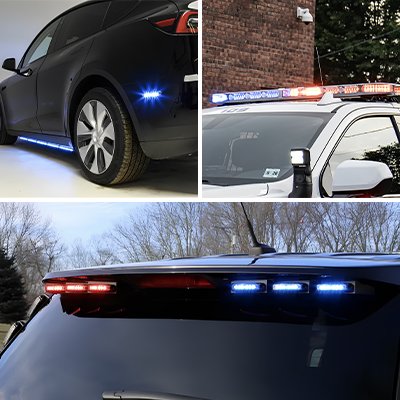
Why the right warning light bar matters
A warning light bar has one job to help the vehicle get noticed early and clearly.
In real-world conditions, that matters in situations like:
- Roadside recovery work
- Temporary traffic management
- Shoulder and verge maintenance
- Utility response jobs
- Work near public roads or access zones
In these environments, visibility directly affects how quickly approaching drivers recognise a hazard and respond safely.
For this reason, most fleets compare vehicle warning light bars in Australia based on application, not just appearance or price.
Many also look for products designed for consistent daily use in Australian conditions, including heat, vibration, and long operating hours.
Start with the vehicle, not the product
A common mistake is choosing a light bar first and trying to make it suit the vehicle later.
A better approach is to begin with the vehicle’s role.
- A tow truck often operates in exposed roadside conditions
- A roadworks vehicle may spend hours in active traffic zones
- A utility vehicle may move between multiple sites with varying levels of exposure
From there, the right type of setup becomes much clearer.
In many cases, roof-mounted light bars in Australia are preferred for vehicles that require stronger visibility from multiple angles, especially in traffic-facing environments.
What works best for tow trucks
Tow trucks often work in the most exposed conditions.
They may operate:
- At night or in low light
- In poor weather
- On narrow shoulders
- In fast-moving traffic
In these situations, early and clear visibility is critical.
Tow operators typically look for:
- Strong long-distance visibility
- A clear and recognisable warning profile
- Reliable performance across daily use
- A mounting position that stands out above the vehicle
In practice, vehicles working regularly on roadside shoulders or recovery zones almost always benefit from a more prominent roof-level light bar with wide-angle output.
What works best for roadworks vehicles
Roadworks vehicles operate in dynamic and often unpredictable environments.
Traffic conditions may already be changing, lanes may be reduced, and drivers need to quickly identify work vehicles ahead.
In these conditions, visibility must be:
- Consistent
- Easy to recognise
- Effective from multiple angles
This is where amber warning light bars in Australia are widely used, as amber is strongly associated with caution and hazard awareness in road-related environments.
For roadworks fleets, the best setups are usually those that combine:
- Strong output
- Reliable performance over long operating hours
- Durable construction for daily use
- Clear visibility in changing traffic conditions
What works best for utility vehicles
Utility vehicles often require a more balanced approach.
Some operate frequently near traffic, while others only need warning visibility during occasional roadside stops. This means the ideal setup depends heavily on how the vehicle is used day-to-day.
Key considerations include:
- How often the vehicle stops near active traffic
- Whether it operates in exposed or controlled environments
- How much visibility is actually required
- Available space for mounting
In some cases, a roof-mounted light bar is still the best option. In others, a lower-profile or more practical setup may provide sufficient visibility without adding unnecessary bulk.
Understanding compliance and practical use
In Australia, warning lighting is not just about brightness. It also needs to align with expected usage and visibility standards.
Many commercial buyers consider:
- appropriate light colour (commonly amber for hazard visibility)
- suitability for public road environments
- consistent performance across daily use
- reliability in harsh weather and operating conditions
Choosing a product designed for Australian fleet use helps ensure the setup remains effective over time, not just when first installed.
What to compare before buying
Once the vehicle role is clear, choosing between different LED warning light bars in Australia becomes much easier.
1. Vehicle role
Match the light bar to how the vehicle is actually used, not just the vehicle type.
2. Visibility level
The more exposure to live traffic, the more important early visibility becomes.
3. Mounting style
Roof-mounted setups provide stronger presence, while other options may suit practical or space-limited applications.
4. Operating conditions
Consider weather, road exposure, operating hours, and frequency of use.
5. Long-term practicality
The best choice is one that performs consistently in daily operations not just one that looks good on paper.
Final thoughts
The best warning light bar is not defined by size or output alone. It is defined by how well it fits the vehicle and the work it performs.
For businesses comparing warning light bars in Australia, the most reliable approach is to start with the vehicle, understand the working environment, and choose a setup that delivers the right level of visibility
for those conditions.
- Tow trucks often benefit from a stronger, more prominent warning presence
- Roadworks vehicles require clear recognition in active traffic environments
- Utility vehicles typically need a practical, balanced solution
In most cases, the right decision comes from matching the product to the job—not simply choosing the largest or brightest option available.
Frequently Asked Questions
- What are the best warning light bars for work vehicles?
The best option depends on the vehicle type, where it operates, and how much visibility it needs. Tow trucks, utility vehicles, and roadworks fleets often require different setups based on how they are used.
- Are roof-mounted light bars a good choice for commercial fleets?
Yes, especially for vehicles that work near traffic or require stronger all-round visibility. A roof-mounted setup is often preferred when visibility is the main priority.
- Why are amber warning light bars commonly used on work vehicles?
Amber is widely associated with caution and hazard visibility, making it a practical choice for many commercial and roadside applications.
- Do utility vehicles always need large warning light bars?
Not always. Some utility fleets are better suited to lower-profile or more practical setups, depending on how frequently they operate near traffic.
- What should I compare before buying a warning light bar?
Focus on vehicle role, operating environment, visibility requirements, mounting style, and long-term practicality.