


4×4 Driving Light Installation Rules & Safety Guidelines (Australia)
High-quality 4×4 driving lights Australia setups can dramatically improve visibility on Australian roads — but only when they’re installed correctly under proper 4×4 driving light installation Australia guidelines. Poor installation doesn’t just reduce performance; it can create safety risks, cause electrical issues, and lead to compliance problems.
This guide explains the key installation rules, safety guidelines, and best practices for 4WD driving light installation guide compliance in Australia, helping you get the most out of your lighting setup while staying road-legal and reliable.
The Complete Guide to 4×4 LED Driving Lights & Light Bars in Australia (2026 Edition)
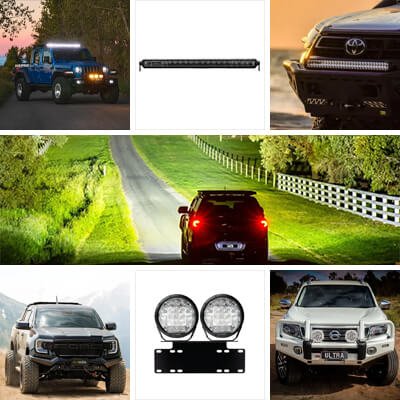
Why Correct Installation Matters
Australian driving environments place heavy demands on off road LED lights Australia systems and 4×4 touring accessories setups:
- Long night driving on unlit highways
- Corrugated outback roads
- Extreme heat and dust
- Heavy rain, creek crossings, and coastal exposure
- Mixed use across urban, regional, and remote areas
Incorrect light bar installation Australia practices can result in:
- Reduced light output
- Flickering or failure
- Electrical damage
- Excessive glare to other road users
- Compliance issues
Correct installation ensures safety, performance, and longevity.
Australian Rules for Driving Light Operation
Driving Lights Must Be Linked to High Beam
Under ADR driving light rules Australia, auxiliary driving lights:
- Must operate only when high beam is on
- Must switch off automatically when low beam is selected
This rule applies to:
- Round driving lights
- LED light bars
- Combination setups
Independent switches that allow driving lights to operate without high beam are not compliant for on-road use.
Number of Driving Lights
Most states allow:
- Two additional driving lights
- Or one light bar (treated as a single unit)
Exact interpretations can vary slightly, but correct wiring and operation are always essential.
Mounting Position Guidelines
Where you mount your lights affects both legality and performance within bullbar mounted driving lights Australia setups.
Acceptable Mounting Areas
- Bullbars
- Front bumper mounts
- Grille-integrated mounts
- Roof racks (with restrictions)
Important Mounting Rules
- Lights must not obstruct the number plate
- Lights must not block indicators or headlights
- Mounts must be secure and vibration-resistant
Incorrect 4WD accessories Australia fitment can create glare or reflection issues.
Light Bar Installation Considerations
Light bars within 4×4 LED light bar Australia systems require careful placement.
Roof-Mounted Light Bars
Advantages:
- Wide area coverage
- Good forward and side spread
Considerations:
- Increased wind noise
- Bonnet glare
- Stricter compliance checks
Roof-mounted bars should be angled and shielded correctly to minimise reflection.
Bullbar & Grille-Mounted Light Bars
Advantages:
- Easier compliance
- Reduced glare
- Cleaner wiring
Often preferred in compliant light bar installation Australia builds.
👉 Related guide:
What Size Light Bar Do I Need for My 4×4? (Australia Guide)
Beam Alignment & Aiming
Even the best 4×4 driving lights Australia products perform poorly if aimed incorrectly.
Correct Aiming Principles
- Lights should project forward, not upward
- Hot spots should align with road horizon
- Side spill should illuminate verges, not oncoming traffic
Incorrect alignment can:
- Blind other drivers
- Reduce your own visibility
- Increase fatigue
Proper beam setup is essential in any professional 4WD driving light installation guide.
Electrical Wiring Best Practices
Electrical quality is just as important as light quality in CANBUS driving light wiring systems.
Recommended Wiring Standards
- Dedicated wiring harness
- Correct fuse rating
- Relay-controlled circuits
- Waterproof connectors (Deutsch or equivalent)
Avoid tapping into factory wiring without proper isolation — modern vehicles are sensitive to voltage changes.
Battery & Power Management
High-output 4×4 LED light bar Australia systems draw significant current.
Consider:
- Battery condition
- Dual-battery systems
- Alternator capacity
Reliable power is critical in serious 4×4 touring accessories installations.
Modern Vehicle & CANBUS Considerations
Newer 4×4 vehicles often use CANBUS systems to monitor electrical loads.
Improper CANBUS driving light wiring can trigger::
- Dash warnings
- System faults
- Light shutdowns
Using:
- CANBUS-compatible harnesses
- Load-isolated triggers
- Professional installation
Professional installation ensures proper integration with modern 4WD gear Australia systems.
Driving Lights vs Work Lights — Know the Difference
Must operate with high beam under ADR driving light rules Australia
- Must operate with high beam
- Are intended for forward illumination
Work lights:
- Are designed for stationary or low-speed use
- Must not be used on public roads
Using work lights while driving on public roads can lead to safety risks and fines.
Installation in Harsh Australian Conditions
Australia’s climate demands durable off road accessories Australia lighting systems.
Key Protection Measures
- IP67 or IP69K-rated lights
- Proper sealing around mounts
- Heat-resistant wiring
- Secure cable routing away from sharp edges
Durability is essential in serious 4×4 driving light installation Australia builds.
DIY vs Professional Installation
Professional light bar installation Australia is recommended when:
DIY Installation Can Work If:
- You have electrical experience
- The vehicle is older and less complex
- You use quality components
Professional Installation Is Recommended If:
- Installing high-output driving lights
- Running dual-battery systems
- Working with CANBUS vehicles
- Installing roof-mounted light bars
Professional installation ensures:
- Compliance
- Clean wiring
- Reliable performance
👉 Internal link suggestion:
Installation services
Common Installation Mistakes
- Mounting lights too high
- Using poor-quality wiring
- Ignoring beam alignment
- Overloading factory circuits
- Not weatherproofing connections
These mistakes reduce the effectiveness of your 4×4 driving lights Australia investment.
Safety Checklist Before Driving
Before using your driving lights:
- Check beam alignment
- Confirm high-beam integration
- Inspect mounts and brackets
- Test electrical connections
- Ensure lights switch off correctly
Regular checks are especially important before long trips.
How Installation Affects Light Performance
Correct 4WD driving light installation guide principles:
Correct installation:
- Maximises usable light
- Improves beam consistency
- Reduces electrical stress
- Extends product lifespan
Installation quality directly influences the value of your lighting investment.
Final Recommendation
Installing 4×4 driving lights Australia setups isn’t just about bolting them on. It’s about ensuring safe, compliant, and reliable performance under ADR driving light rules Australia.
- Follow high-beam integration rules
- Choose correct mounting positions
- Use quality wiring components
- Align beams properly
- Seek professional help when needed
Doing it right once prevents problems later.
Next Step
To see how installation fits into a complete lighting setup, revisit the full guide:
👉 The Complete Guide to 4×4 LED Driving Lights & Light Bars in Australia (2025 Edition)
👉 Browse the full 4×4 lighting range