


4G vs 5G vs Smart Antennas for 4×4 Vehicles (Australia Guide)
As Australian 4×4 touring and regional work continue to expand beyond reliable mobile coverage, drivers are asking a practical question:
Should I run a 4G antenna, upgrade to 5G, or invest in a smart (hybrid) antenna?
The answer depends on where you drive, how you travel, and what you rely on mobile connectivity for. This guide breaks down the real-world differences between 4G antennas, 5G antennas, and smart antennas — using Australian terrain, networks, and use cases to help you choose correctly.
Choosing the correct 4G vs 5G antenna for 4×4 Australia setup ensures your 4×4 mobile antenna Australia delivers usable connectivity across regional and remote roads.
👉 Supporting guide:
4×4 Connectivity in Remote Australia: The Ultimate Guide to UHF, 4G/5G & Smart Antennas (2026 Edition)
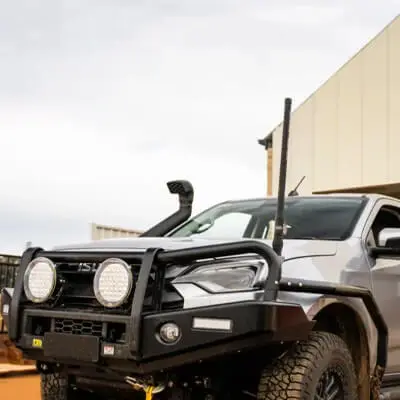
Why Antenna Choice Matters in Australia
Australia’s mobile network reality is unique:
- 4G remains the dominant network outside metro areas
- 5G coverage is expanding, but still concentrated around cities
- Regional and remote roads often rely on older infrastructure
- Terrain and distance matter more than peak speeds
Choosing the wrong antenna can result in:
- No improvement in signal
- Dropped calls
- Unusable data
- Wasted money
A properly selected 4WD cellular antenna Australia solution dramatically improves real-world performance compared to relying on factory vehicle antennas.
What Is a 4G Antenna?
A 4G antenna is designed to improve reception on LTE networks by capturing weak external signals and feeding them to your vehicle’s modem or phone.
Best suited for:
- Regional highways
- Rural towns
- Borderline coverage zones
- Caravanners and tourers
Why 4G Still Dominates Regional Australia
Despite the rollout of 5G, most regional and remote areas still rely on 4G LTE due to:
- Longer range
- Better penetration
- Lower infrastructure density requirements
For most remote touring routes, a 4G antenna for 4WD touring remains the most dependable connectivity upgrade.
Limitations of 4G Antennas
- Lower peak speeds than 5G
- Cannot access 5G-only services
- Performance depends heavily on terrain
However, reliability matters more than speed in remote areas.
What Is a 5G Antenna?
A 5G antenna is designed to work with newer mobile networks that offer:
- Higher data speeds
- Lower latency
Best suited for:
- Metro areas
- Urban fringe regions
- High-bandwidth use cases
The Reality of 5G for 4×4 Touring
While 5G offers impressive speeds, its limitations include:
- Shorter range
- Higher sensitivity to obstacles
- Limited availability outside cities
While a 5G antenna for 4×4 vehicle use offers speed advantages, coverage limitations remain outside metro areas.
When 5G Antennas Make Sense
- You spend significant time near metro regions
- You work regionally but close to cities
- You need fast uploads and downloads
For deep touring, 5G alone is rarely sufficient.
What Are Smart Antennas?
A smart antenna (also called a hybrid antenna) combines:
- 4G and/or 5G cellular capability
- Optimised antenna design
- Sometimes UHF integration
A smart antenna 4×4 Australia setup is designed to handle mixed touring conditions without requiring multiple separate mounts.
Many Australian touring setups now use smart antennas because they:
- Adapt to network availability
- Reduce the need for multiple mounts
- Simplify installation
Many drivers now choose a hybrid smart antenna Australia solution to simplify installation and improve flexibility.
4G vs 5G vs Smart Antennas Side-by-Side Comparison
| Feature | 4G Antenna | 5G Antenna | Smart Antenna |
| Regional reliability | Excellent | Limited | Excellent |
| Remote performance | Good | Poor | Good |
| Metro performance | Good | Excellent | Excellent |
| Flexibility | Low | Low | High |
| Installation complexity | Low | Moderate | Low |
| Touring suitability | High | Low–Moderate | Very High |
This comparison highlights why smart antennas are becoming the preferred choice for Australian 4×4 touring.
Which Antenna Is Best for Your Driving Style?
Outback & Remote Touring
Best choice:
- 4G antenna or smart antenna
Reason:
- 4G networks travel further and remain usable in sparse coverage areas.
Mixed Touring (City + Regional + Remote)
Best choice:
- Smart antenna
Reason:
- Automatically adapts to network availability without manual changes.
Urban & Near-Metro Driving
Best choice:
- 5G antenna or smart antenna
Reason:
- Takes advantage of faster networks when available.
Caravan Touring Considerations
Caravanners often travel long distances on:
- Flat highways
- Remote routes between towns
For caravans:
- 4G reliability matters more than peak speed
- Smart antennas reduce clutter on bullbars
- External antennas significantly improve signal stability
Combining an antenna with a legal mobile repeater delivers the best results.
A quality caravan mobile antenna Australia installation ensures more stable calls and data on long-distance highways.
👉 Related guide:
Is CEL-FI Legal in Australia? How Mobile Repeaters Work for 4×4 Touring
Smart Antennas vs Separate Antennas
Separate Antennas
Pros:
- Dedicated performance
- Upgrade flexibility
Cons:
- More mounts
- More cabling
- Visual clutter
Smart Antennas
Pros:
- Single mounting point
- Cleaner installs
- Simplified wiring
Cons:
- Higher upfront cost
For many drivers, simplicity outweighs complexity.
Installation & Placement Considerations
Antenna performance depends heavily on:
- Mounting height
- Clear line of sight
- Ground plane quality
Poor placement can reduce performance by more than 50%.
A professional remote touring antenna setup improves performance and prevents signal loss due to poor placement.
👉 Internal link:
Installation services
Do Smart Antennas Replace UHF Radios?
No smart antennas improve mobile connectivity, not vehicle-to-vehicle communication.
UHF radios remain essential for:
- Convoy travel
- Off-road coordination
- Emergency situations
Most Australian touring setups use both systems together.
👉 Related guide:
4×4 Touring Communication Checklist (Australia): UHF, Mobile Signal & Safety
Common Mistakes When Choosing Antennas
- Buying 5G for remote touring
- Ignoring terrain type
- Using low-quality cabling
- Mounting antennas too low
- Assuming one antenna suits all trips
Matching equipment to real-world use avoids disappointment.
The best antenna for 4×4 touring Australia depends on terrain, network availability, and how often you travel beyond reliable coverage.
Final Recommendation
For most Australian 4×4 owners:
- 4G antennas remain the most reliable option in regional and remote areas
- 5G antennas suit metro-focused driving
- Smart antennas offer the best all-round flexibility for mixed touring
Choosing the right antenna ensures consistent communication, safer travel, and fewer connectivity frustrations.
Next Step
To see how antennas integrate into a full off-grid communication setup, return to the main guide:
👉 4×4 Connectivity in Remote Australia: The Ultimate Guide to UHF, 4G/5G & Smart Antennas (2026 Edition)
👉 Browse the full 4×4 connectivity range